
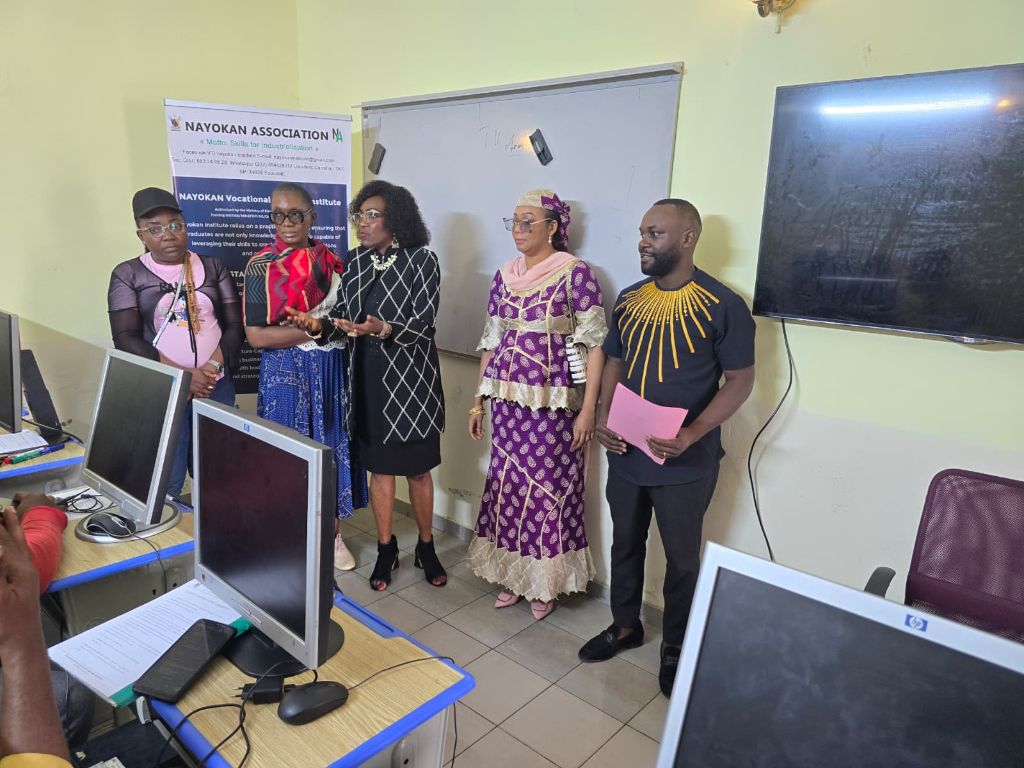
The Nayokan Vocational Training Institute opened its doors to its first cohort of trainees this month. What follows is less a ceremonial account than a working note on what the launch means for the wider Nayokan agenda — and for the productive-systems thesis it stands on.
The idea behind Nayokan has always been institutional rather than programmatic. Not a single training, not a single incubation, not a single investment vehicle — but a connected pathway from human capability to productive enterprise to productive assets. The VTI is the front door to that pathway.
Its curriculum is explicit about this. Every module is designed with a downstream destination in mind — an entrepreneurial cluster, a small enterprise, a venture in the Startup Centre pipeline. Practical skills are the starting point, not the endpoint.
Skills alone are not enough. Systems create lasting value.
Why vocational training comes first
Cameroon's economic debate has long oscillated between two poles: the “innovation economy” narrative and the “industrial base” narrative. Nayokan's position is that neither works without the other, and that both rest on a foundation neither one always names — productive human capability.
That is what the VTI produces. Not degree-holders, not incubatees, not investees — people who can produce. Who can operate machinery, deliver services, structure small enterprises, and — critically — train the next cohort themselves.
The cluster question
The VTI is not designed to graduate individuals into a generic labour market. It is designed to graduate them into entrepreneurial clusters — structured groups of graduates and small enterprises collaborating around a common productive activity.
Six clusters are currently being formed, covering digital & technology, agri-food & production, craft & manufacturing, hospitality & services, health & wellness, and the creative economy. Each cluster shares tools, market access, mentorship and — in time — access to Nayokan Startup Centre and Venture Capital resources.
What happens next
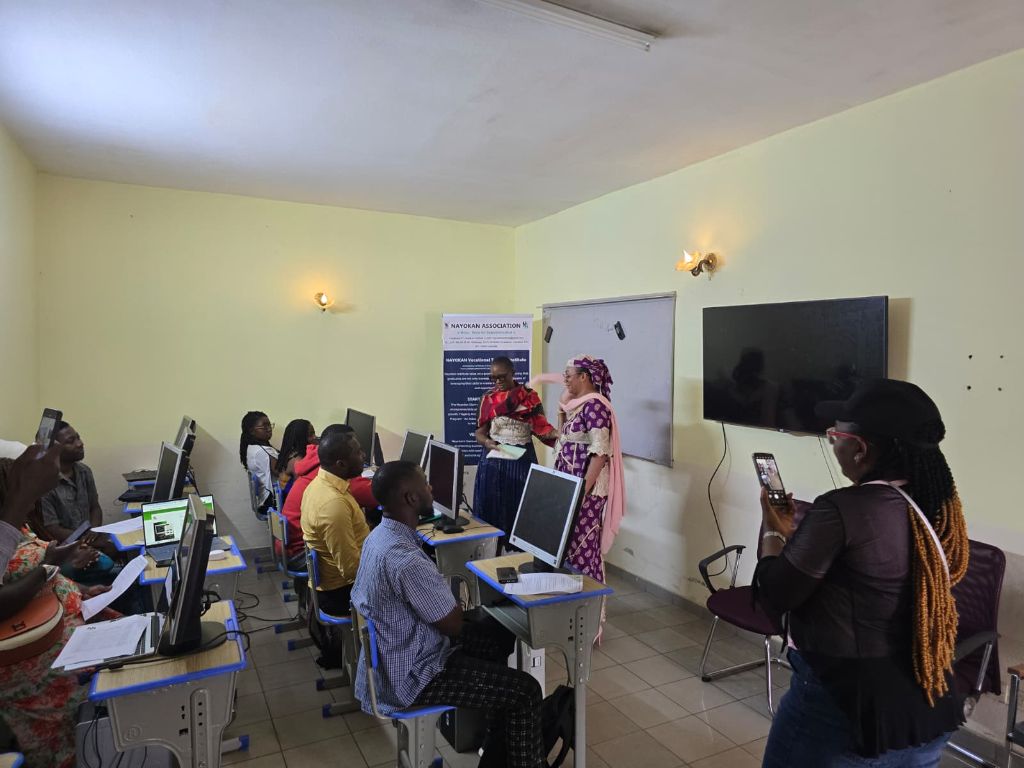
The first cohort will move through the practical modules over the coming months. Cluster formation begins in parallel. The Startup Centre commercialization pathway will be opened to select cluster ventures in early 2027.
The full capability → production → markets → innovation → capital → assets pathway now has an operating front door. The remaining work is to run it — cohort after cohort, cluster after cluster, year after year.
We will return with more from inside the VTI in the coming issues.